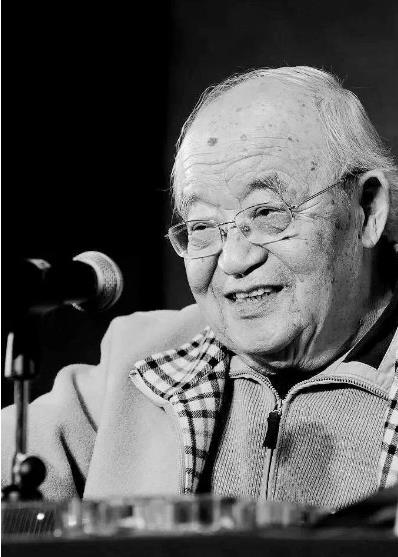
Qiao Yu
Introduction
Qiao Yu (1927-2022), originally named Qiao Qingbao, is a prominent figure in Chinese cultural history, renowned for his extensive work as a songwriter, poet, and scriptwriter. Born in Jining, Shandong province, he grew to become a household name across China, leaving a significant mark on the country's artistic landscape. His career, which spanned over seven decades, witnessed the creation of over 1,000 songs, many of which remain popular and are still performed today. Qiao Yu also contributed to Chinese operas and wrote scripts for influential films, reinforcing his broad impact on Chinese culture and the arts.
Early Life
Qiao Yu's early life was deeply influenced by traditional Chinese culture. Born into a modest family in Jining, Shandong province, he spent his formative years imbibing the cultural heritage that his father exposed him to through books and poetry. These early exposures instilled in him a lifelong appreciation for traditional Chinese literature and art. However, due to financial constraints, he began his formal education relatively late, only enrolling in school at the age of nine. Despite these challenges, Qiao Yu's passion for learning and culture laid the foundation for his future accomplishments in songwriting and other literary endeavors.
Education
Qiao Yu's pursuit of education took a defining turn in 1946 when he left his hometown to study at Beifang University, which later became part of Huabei University, located in Hebei province. It was during this period that he adopted the pen name "Qiao Yu" and began to make his mark as a writer and poet. At Beifang University, he actively engaged in publishing poems and novels, and he started writing songs for yanggeju, a type of Chinese folk opera that integrates local songs and dances. This educational period was pivotal, as it enabled Qiao Yu to hone his craft and collaborate with other notable Chinese poets, writers, and playwrights, which would later influence his illustrious career.
Career
Qiao Yu's career is distinguished by his multifaceted contributions to Chinese theater, film, music, and literature. His work not only reflected the evolving cultural narratives of China but also became an integral part of the country's artistic identity.
Theater and Film
Qiao Yu's influence extended into the realm of theater and film, where he made significant contributions as a scriptwriter and cultural leader. He wrote scripts for several important films, including Liu Sanjie in 1960, which depicted the life of a Zhuang ethnic folk singer. His leadership roles, such as heading the China National Opera and Dance Drama Theater and serving as president of the Chinese Music Literature Association, underscored his commitment to nurturing and promoting Chinese performing arts. His efforts provided platforms for younger generations of artists, ensuring the continuation and evolution of China's theatrical and cinematic traditions.
Music and Lyrics
As a songwriter, Qiao Yu's legacy is unparalleled in the Chinese music industry. His extensive repertoire includes songs that have become cultural anthems, resonating with audiences across generations. One of his most famous works, My Motherland, composed by Liu Chi and first performed by Guo Lanying, remains a timeless classic. The song, featured in the 1956 film Shangganling, is an ode to China and reflects the patriotic sentiments of the era following the founding of the People's Republic of China. Another notable song, Let Us Sway Twin Oars, featured in the children's movie Flowers of Our Motherland (1955), captured the joyous spirit of post-1949 China and became a staple in music education in schools. Qiao Yu's ability to express profound emotions and narratives through his lyrics has left a lasting impact on Chinese music.
Notable Works
Qiao Yu's body of work includes numerous songs and scripts that have attained iconic status in Chinese culture. Among his celebrated works is Unforgettable Tonight, a ballad performed by Li Guyi at the 1984 CCTV Spring Festival Gala. This song broke from traditional gala performances and introduced a new style that quickly gained popularity, becoming the annual closing song for the event for over three decades. His songwriting prowess is characterized by an ability to capture the zeitgeist of his time, blending personal emotion with broader cultural themes. His contributions to both film and music have solidified his reputation as a cultural luminary in China.
Awards and Honors
Throughout his career, Qiao Yu received numerous accolades in recognition of his artistic contributions and cultural influence. While specific awards and honors are not detailed in the provided background information, his leadership roles and enduring popularity of his works underscore the recognition he garnered. His legacy is perpetuated not only through the awards he received but also through the continued relevance and celebration of his songs and writings.








